Spotting trouble early
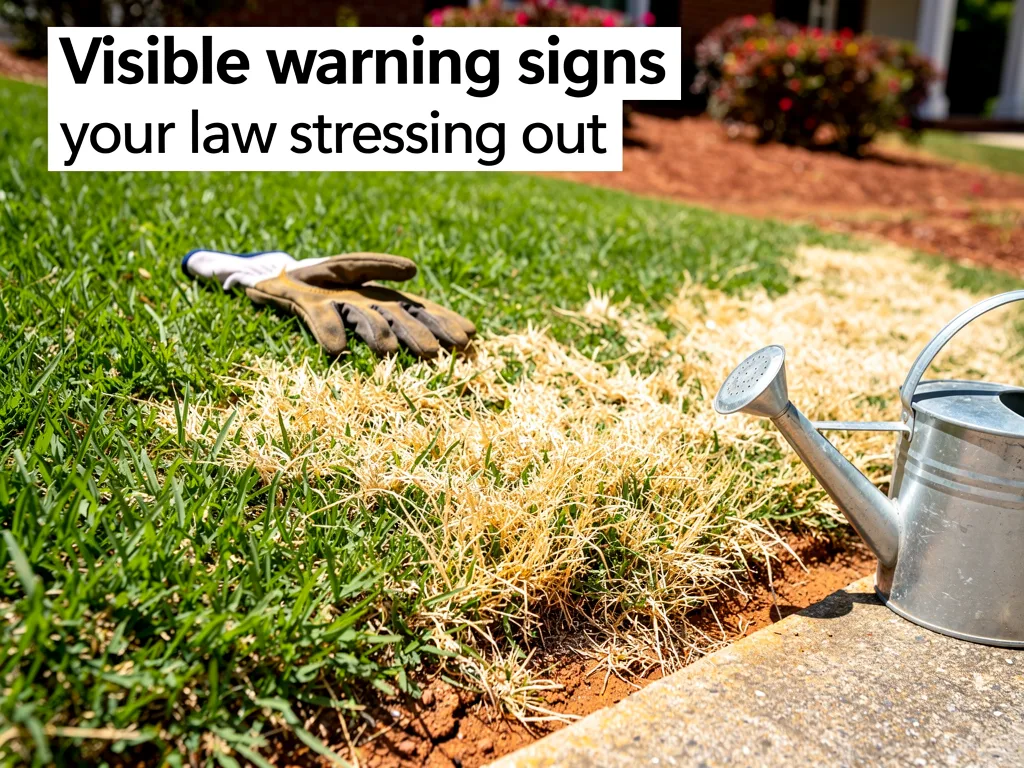
In Atlanta, our soil dries and warms in the summer, and a lawn that looks off often starts small. A lawn care specialist with our team will first check color and texture. If you see leaves turning pale or yellow, or you notice thin patches that don’t fill in, it’s a sign something is off. This isn’t just a cosmetic issue; it can point to nutrient gaps, uneven watering, or compacted soil.
Next, look at the blade tips. If the blades have a brown edge or a rusty tint rather than a uniform green, that can indicate heat stress, leaf scorch, or a mineral imbalance. In some cases, changes happen after a heavy rain, when the soil stays wet for too long. Either way, early signs deserve a closer look from a lawn care specialist who understands Atlanta’s climate patterns.
What to check week to week
Consistency matters. Check your lawn after a long dry spell, then after a big rain. Note how quickly it greens back up. If color recovery is slow or patchy, that suggests a problem with soil moisture or fertility. A simple root-to-shoot check can reveal if the lawn is getting enough water at the root zone or if thatch is building up.
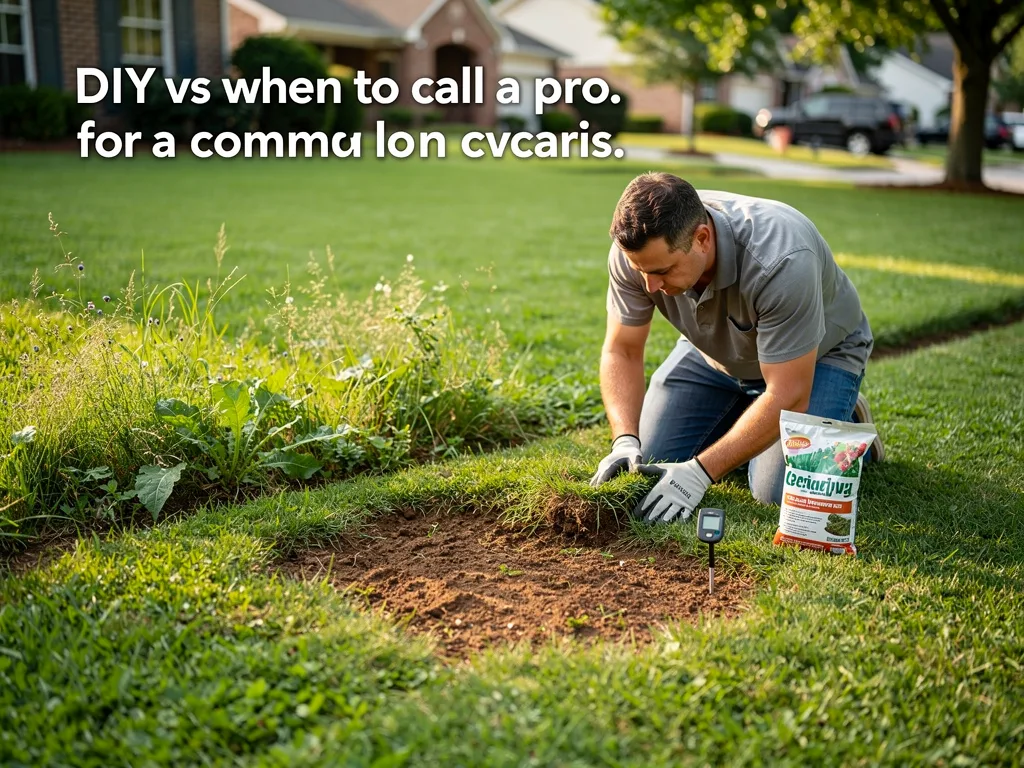
Also watch for weeds. In Atlanta, crabgrass and other annual grasses pop up when the soil warms. Weeds compete for nutrients and water, making the lawn look uneven. If you see more than a few spots, it’s worth a professional look to map out a plan that fits your yard and your schedule.
When to reach out to Atlanta Expert Landscapers Services
If you notice color changes, thinning patches, or a stubborn weed problem that won’t go away with a quick water or mow, call our crew. We’ll assess soil condition, irrigation efficiency, and mowing height tailored to your turf type. A quick consult can prevent small issues from turning into bare patches in the peak of summer.
Key practical steps you can take now
1) Check your mower height and adjust to keep your grass blades protected from heat stress. 2) Make sure irrigation runs early morning so the water soaks down to the roots without evaporation losses. 3) Keep a consistent mowing schedule to avoid scalping and stress. 4) If you have bare spots, don’t overthink it, patch with fresh seed at the right time of year and give it a light top dress so seedlings can take root.