Common Atlanta lawn scenarios
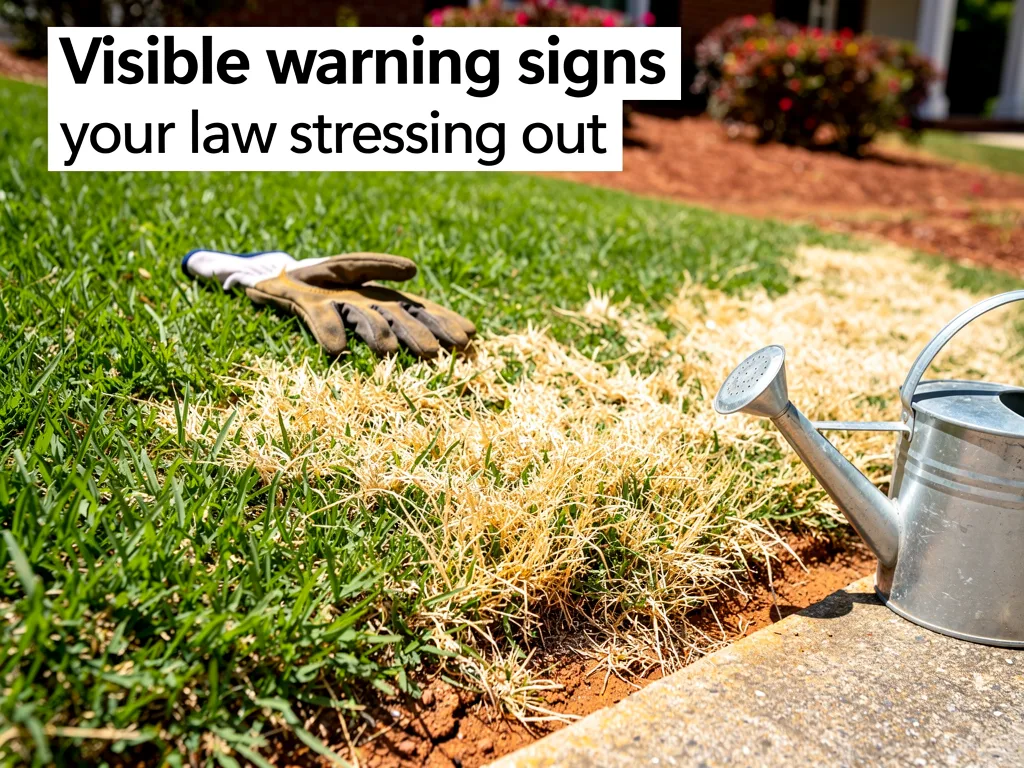
Most homeowners can handle basics like mowing, edging, and basic fertilization. The key is timing and understanding your turf. If you see overall pale color, uneven growth, or persistent weed patches that don’t respond to light maintenance, it’s time to involve a lawn care specialist.
We also see issues tied to irrigation. Wilting after a scheduled watering might mean the system isn’t delivering water evenly, or the roots aren’t getting enough moisture. If a simple fix like adjusting the sprinkler pattern doesn’t solve it, bring in a pro who can evaluate the system as a whole.
DIY steps that help in between visits
First, keep blades sharp. A clean cut reduces stress and helps greens recover faster. Second, stick to a schedule; consistent mowing height protects the turf from heat and disease. Third, use only the recommended products for your grass type and time of year. Avoid overdoing fertilizer, which can burn roots in hot Atlanta summers.
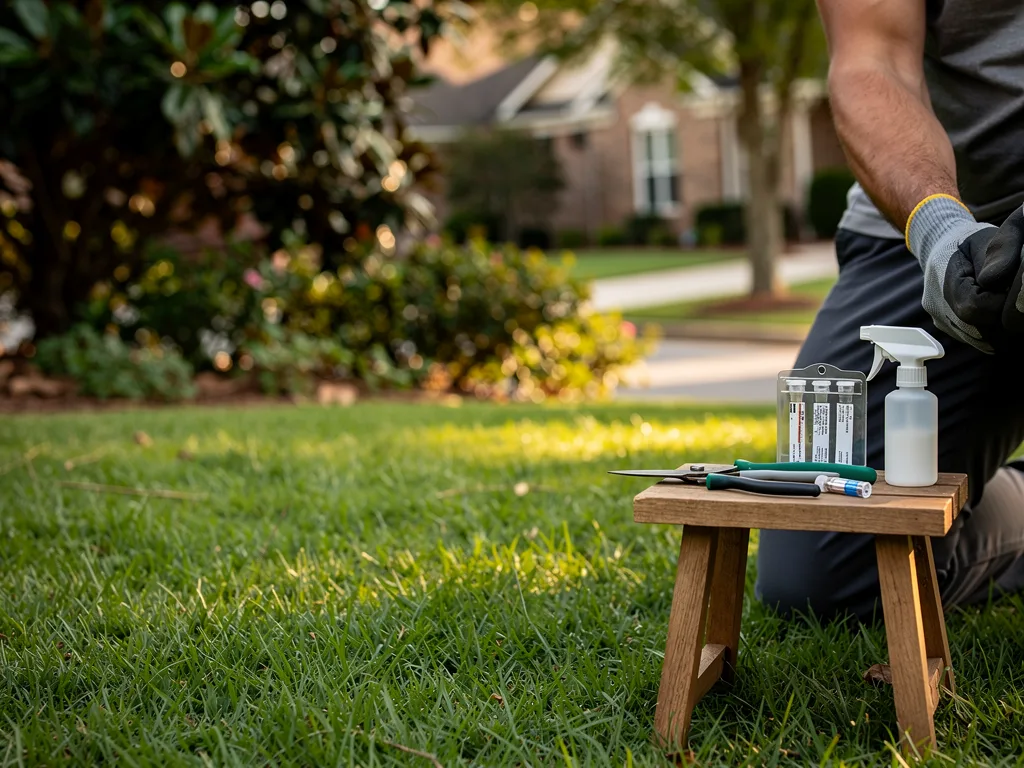
Fourth, test your soil every season if you can. Knowing pH and nutrient levels helps you tune feeding and aeration. A simple soil test kit can guide you toward the right product. If any step feels uncertain, a lawn care specialist from our crew can help you interpret the results and plan the next moves.
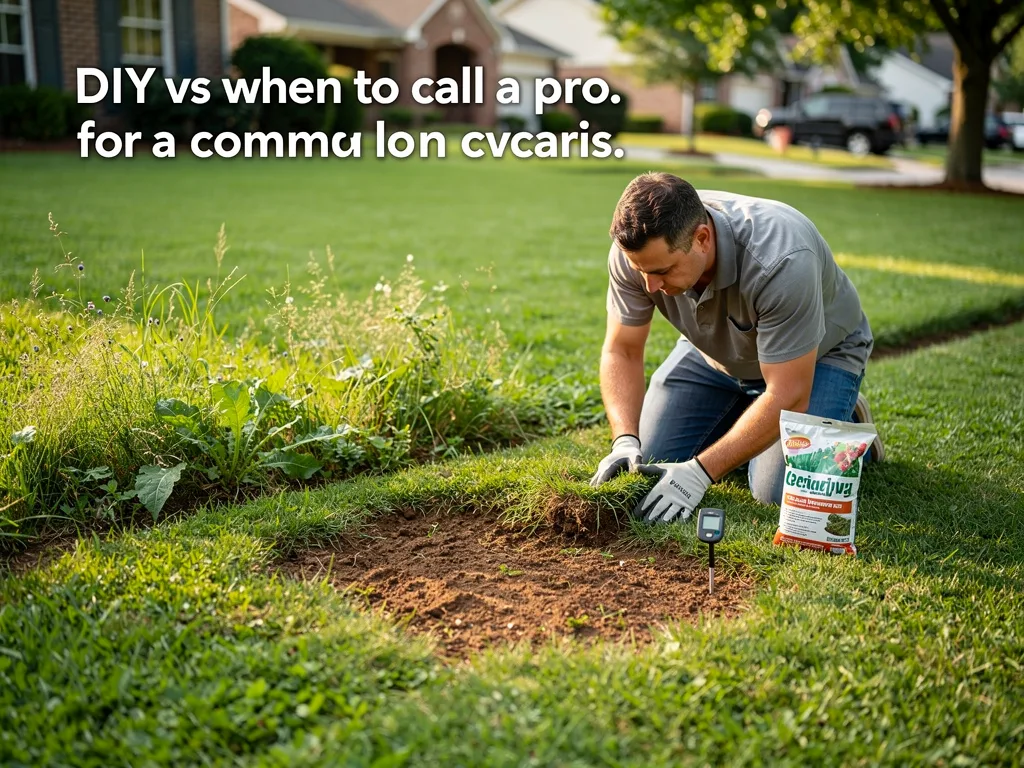
When to call a pro
Call us when you have stubborn weeds that won’t respond to mowing or a patchy lawn with soil that seems compacted. If you see disease spotting or brown circular patches that spread, that’s a sign to involve a professional for accurate diagnosis and treatment planning. Our team can tailor a plan to your lawn’s needs and your schedule.
What to tell us on the call
Share the size of the yard, turf type, trouble spots, irrigation setup, and any products you’ve used. The more detail, the quicker we can map out an affordable, practical plan that fits your Atlanta home.